Invisalign Versus Braces: How They Differ
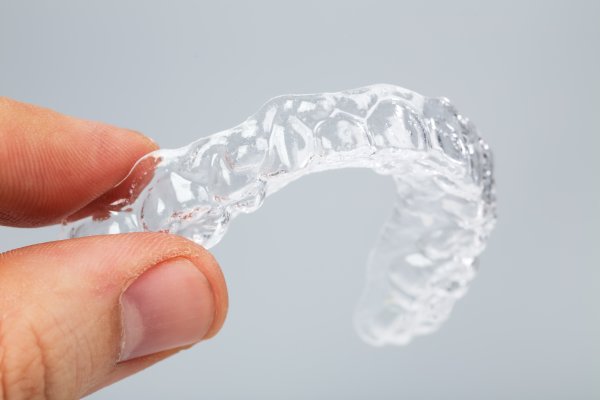
Many people are opting for alternatives to traditional metal braces for correcting misaligned teeth, such as Invisalign®. This clear plastic orthodontic aligner, which resembles a retainer, straightens crooked teeth and closes tooth gaps without the need for metal wiring or other hardware. Individuals who want to correct such dental issues may want to understand the differences between Invisalign® and metal braces before making the best choice for their oral health.
About metal braces
Braces have long been the traditional manner for straightening crooked or misaligned teeth. Many individuals require and wear these braces, including the following:
- Children under 12
- Teens
- Young adults under age 30
Some middle-aged dental patients have opted for metal braces as well, especially to correct oral issues that occur later on in life.
Metal braces are a system of bands and brackets put in place by a dentist or orthodontist. Exams and x-rays may be performed to determine how long the braces must be worn to achieve the optimum effect. These braces are not removable by the wearer, but adjustments can be made by a dentist if any of the brackets or wires are uncomfortable.
The pros and cons of metal braces
Metal braces have several advantages and drawbacks dental patients may want to consider before choosing between this traditional hardware and Invisalign®. Metal braces tend to work quickly and can straighten crooked teeth in a matter of months, depending on the severity of the problem. Ceramic braces give users an alternative to metal brackets and are not as visible as the metal style.
Traditional braces also have some drawbacks. Pain and discomfort are common for many users, especially during the first few months of use. Brushing and flossing can also be problematic, as the wires and brackets can make reaching certain spots difficult. Children and teens may feel self-conscious about wearing metal braces or fear facing ridicule from peers.
About Invisalign®
Unlike metal braces, Invisalign® aligners are made of plastic and are designed to fit each individual wearer. During the initial dental consultation, patients will likely undergo a routine exam and x-rays may be taken. The dental team will then make a mold of the mouth so Invisalign® fits comfortably.
Once the aligner is ready, a dental professional may provide patients with aftercare and advice on when to wear the device and when it is safe to remove it. Depending on the misalignment of the teeth, it may take up to 18 months for correction to occur. The aligner is then changed out every 14 days to fit the new shape of the shifting teeth.
The pros and cons of Invisalign®
One of the main advantages of using this plastic aligner is that it is almost invisible when worn. Alignment and the closure of tooth gaps may also happen more quickly than with metal braces, which reduces treatment time. They are also comfortable and can be removed when users want to brush and floss without interference from the aligner.
Invisalign® may be more costly than traditional braces. However, cost can vary widely depending how long the device must be worn and the condition of a user’s teeth before the treatment begins. This constant switching of aligners may also result in frequent trips to the dentist.
Conclusion
Deciding between metal braces and Invisalign can be difficult. However, learning the facts about both may help those with crooked teeth make the most informed choice possible.
Request an appointment here: https://www.texasstarsmiles.com or call Texas Star Smiles & Fastbraces at (254) 237-1342 for an appointment in our Killeen office.
Check out what others are saying about our services on Yelp: Read our Yelp reviews.
Related Posts
Tooth replacement is an essential part of modern dentistry, particularly for those who have lost one or more teeth due to injury, decay, or other health-related issues. A cosmetic dentist offers a variety of options that restore oral function and improve the appearance of your smile. When you choose the right tooth replacement method to…
Patients with missing or broken teeth have a variety of options. Implant supported dentures, which involve attaching dentures to metal implants in the jawbone, have become one of the more popular choices. However, the prospect of going weeks or months without teeth while waiting for the gums to heal can be discouraging for some patients.…
If you are excited to finish active clear aligner treatment, an Invisalign dentist is a trusted partner who can make your transition to the retention phase as smooth as possible. Reaching the final set of clear aligners is a major milestone in your smile journey. While the most visible work is finished, the last few…
Your kid friendly dentist understands how difficult it is to motivate kids to brush their teeth. Children often think of brushing as a tiring activity. Proper motivation can help them form this healthy habit. If you want to give your kids stronger reasons to brush, here are some details from a kid friendly dentist.Brushing two…